

What you can do to ensure everyone can access lifesaving treatments? In the US, a…
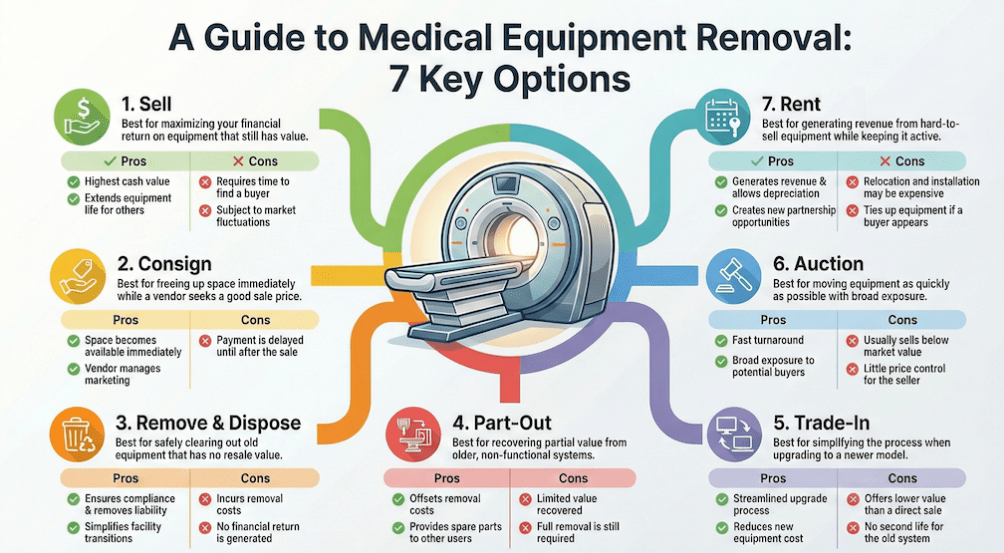
Seven Options for Removing Your Used Medical Equipment
Is your clinic or hospital replacing or decommissioning diagnostic imaging or radiation therapy equipment? Today, owners of equipment have more options on how to dispose of equipment than ever before. There is a vibrant community of medical equipment companies that can help you execute whichever option you choose.
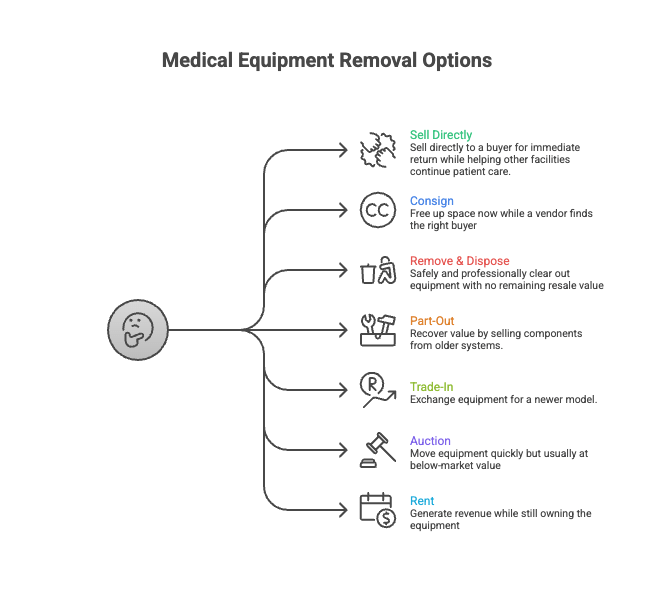
Below, we outline seven common equipment removal options to help you evaluate what makes the most sense for your equipment, timeline, and operational goals.
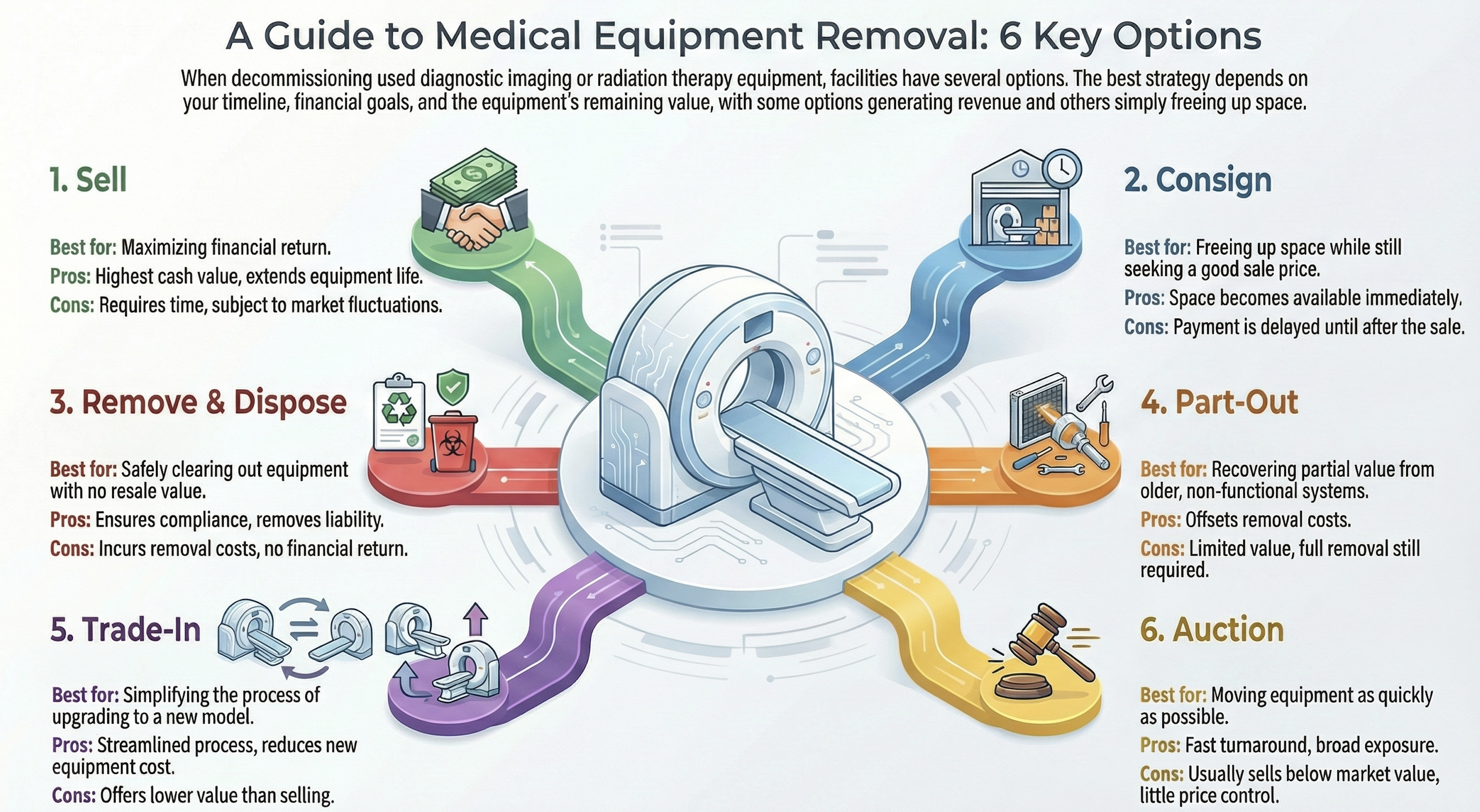 OPTION 1: Sell Your Used Medical Equipment

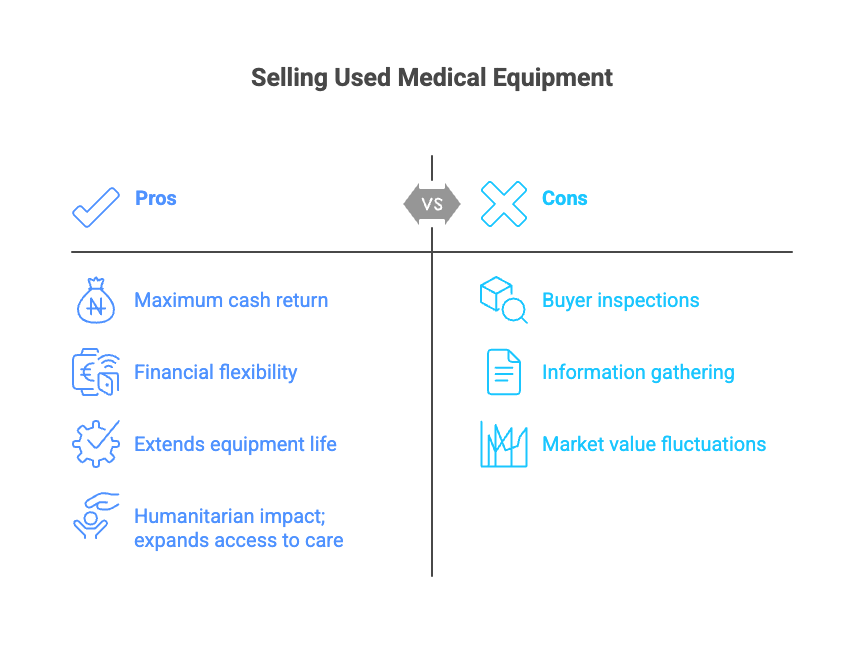
Selling used medical equipment can be a strong option when a system is in high demand, has relatively low usage, or is a model that remains attractive in the secondary market. In these cases, selling allows facilities to recover meaningful value while transferring the system to a new owner.
However, not all equipment qualifies for resale. Many facilities initially explore selling, only to learn that market demand, age, configuration, or overall usage limit a system’s value. When selling is viable, it can generate funds that may be reinvested elsewhere and extend the equipment’s life by supporting hospitals, imaging clinics, and independent cancer centers in the United States, as well as expanding access to care in emerging international markets. The tradeoff is that identifying the right buyer often requires inspections, documentation, and time.
OPTION 2: Consign Your Used Medical Equipment
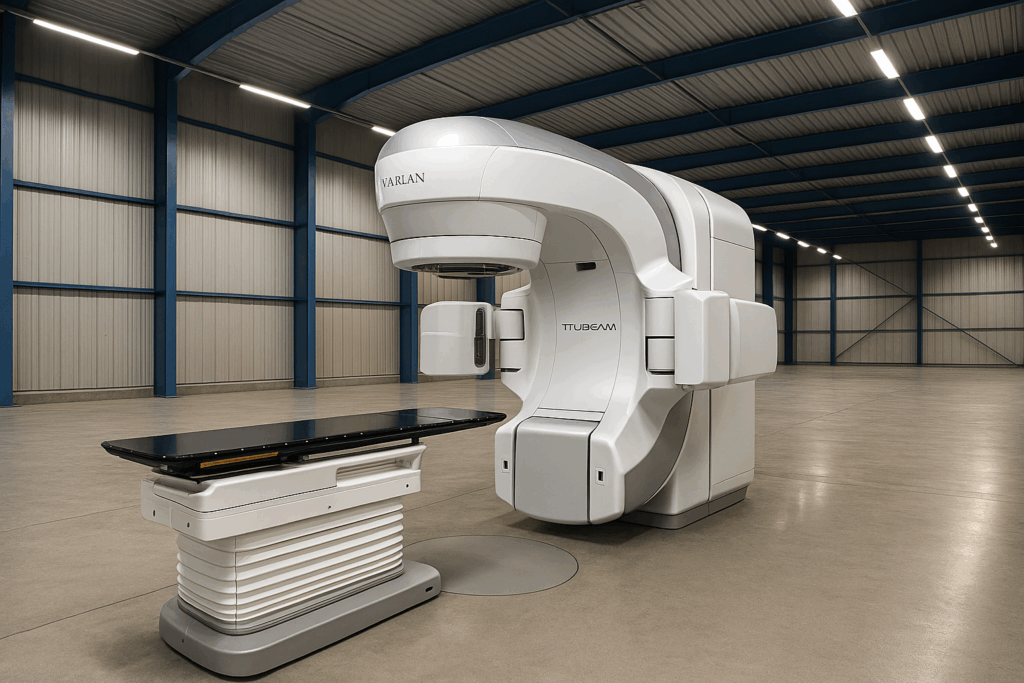
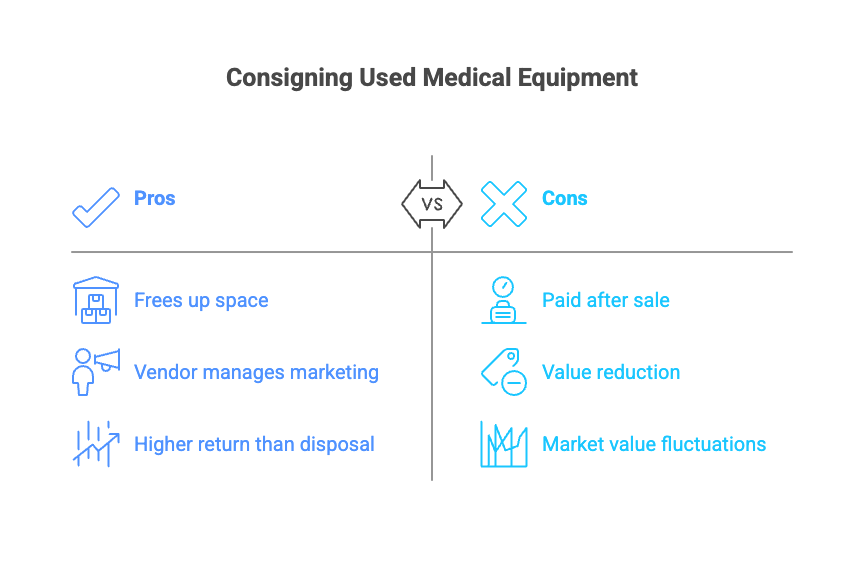
Consignment is often a good option when a facility wants to recover value from equipment but needs it removed quickly. Instead of waiting for a buyer before removal, consignment allows the equipment to be taken out of service right away while a vendor manages the sales process on the facility’s behalf.
This approach gives facilities more flexibility than a direct sale, especially when timelines are tight or space needs to be cleared for upgrades. The tradeoff is that payment is not immediate and depends on when the equipment sells, since ownership is retained until a buyer is found. Other drawbacks are (1) that the equipment must be removed, usually at the owner’s expense, in order to be put into storage, which can add considerable costs to larger equipment systems, and (2) once the equipment is removed, it is difficult for a buyer to assess the condition of the equipment, further reducing its market value. Nonetheless, consignment can be a practical middle ground for facilities that want to balance speed, value recovery, and operational convenience.
OPTION 3: Remove and Dispose of Your Used Medical Equipment
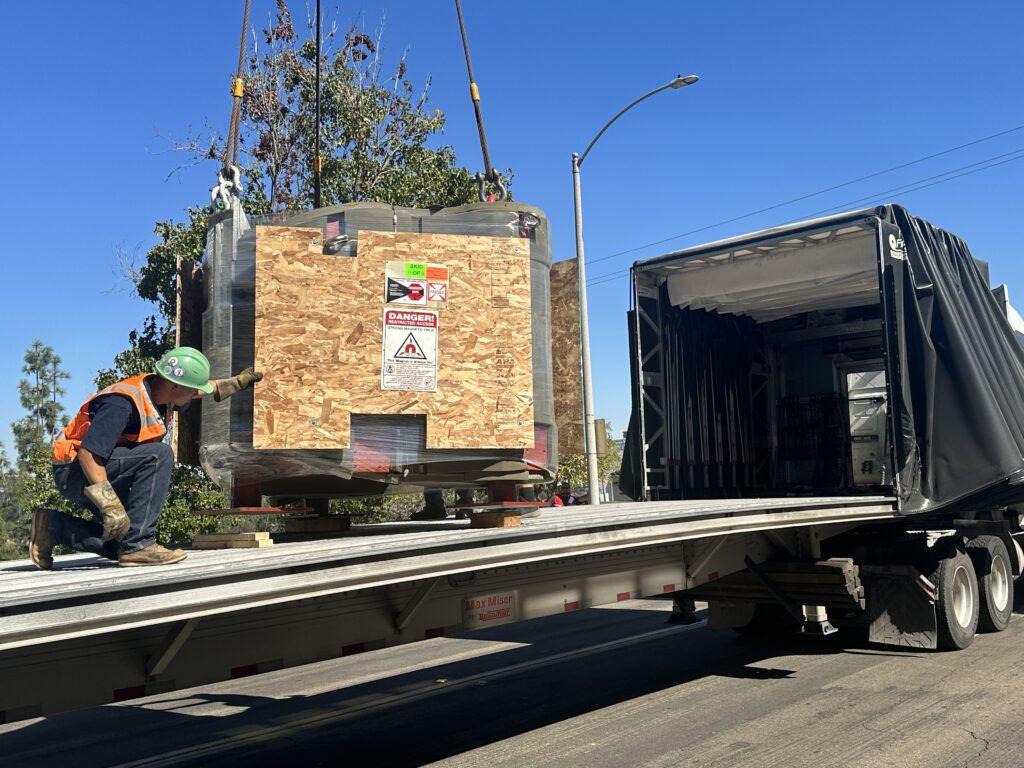
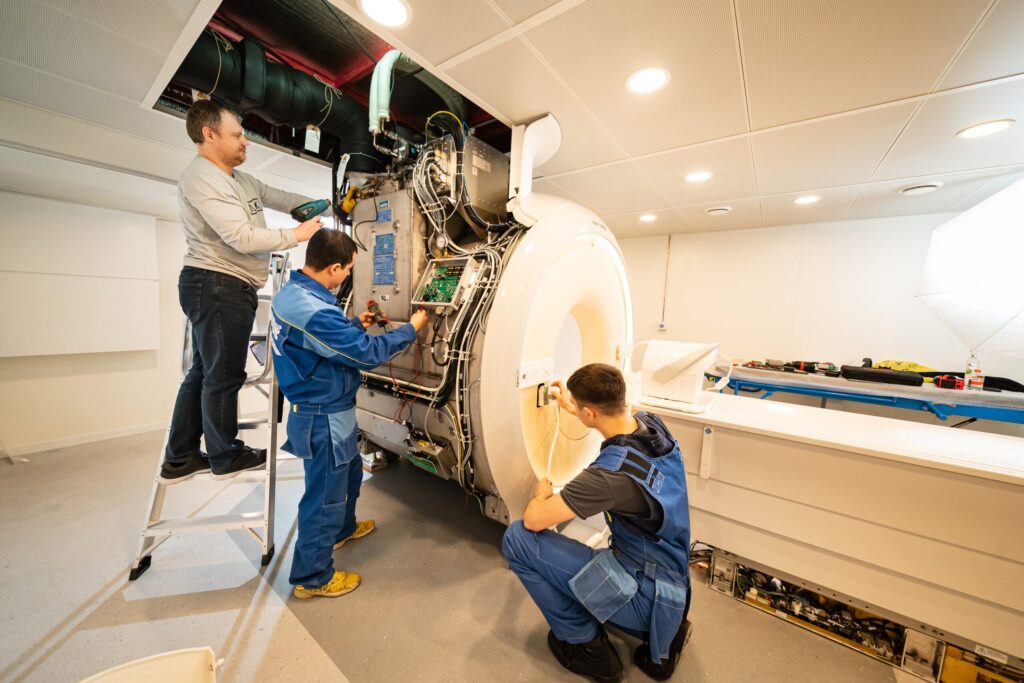
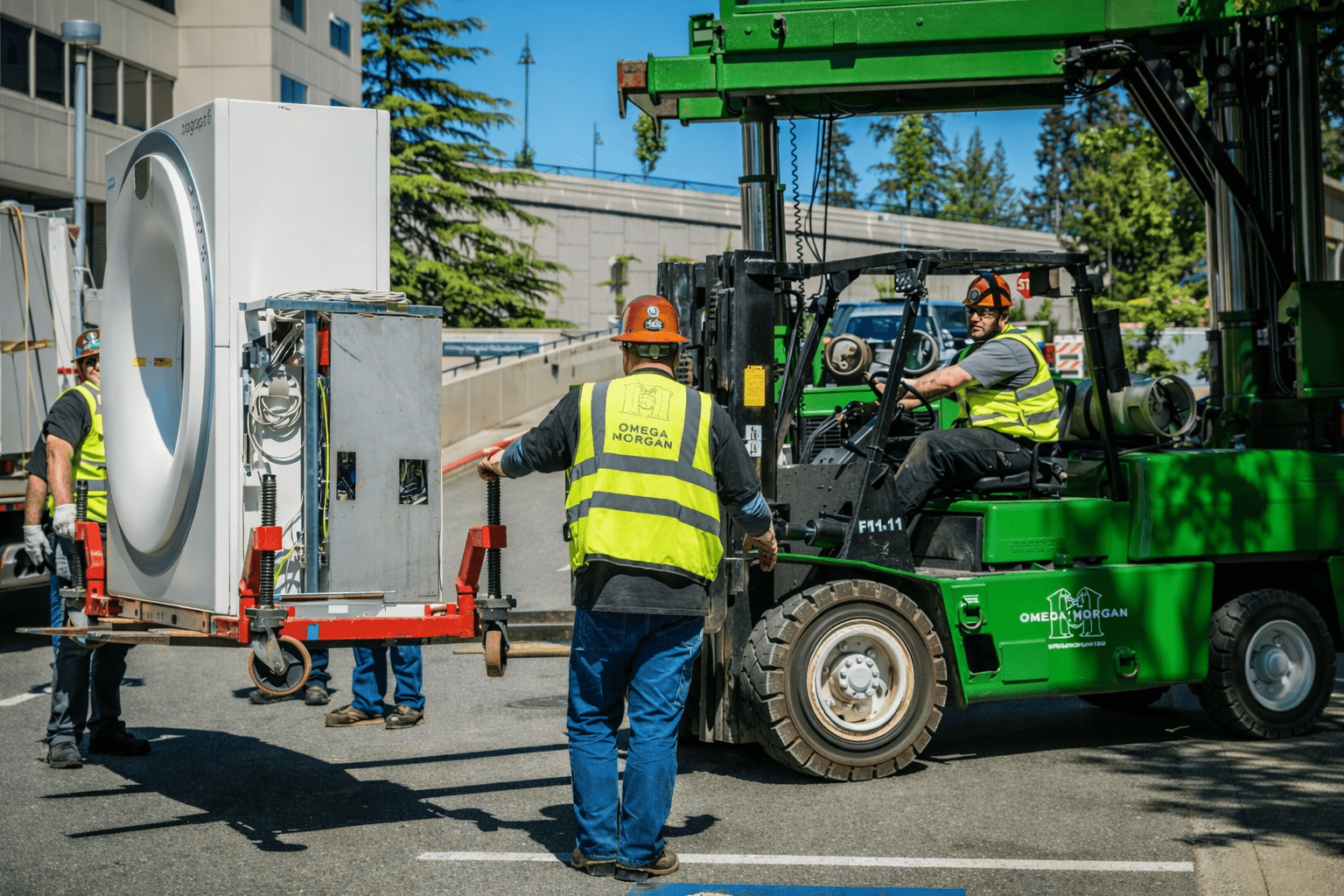
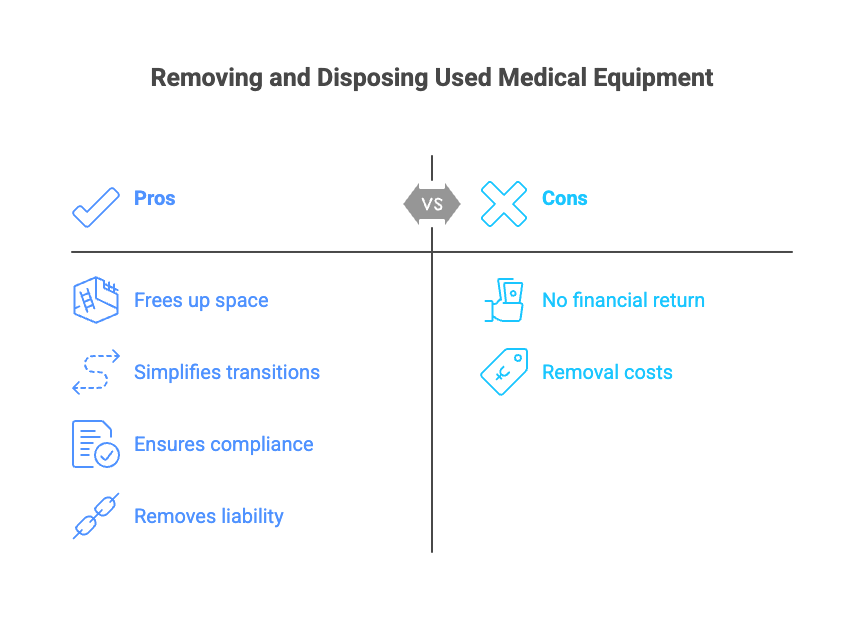
Removing and disposing of medical equipment is often the best option when a system has reached the end of its service life or no longer has meaningful resale value. In these cases, professional removal ensures the system is taken out safely, efficiently, and in compliance with applicable environmental and safety regulations.
This approach allows facilities to quickly free up space for renovations, replacements, or new installations without spending time pursuing resale paths that may not be viable. The trade-off is that disposal does not generate revenue and typically involves removal costs, but it provides a straightforward, compliant solution when other options are no longer practical. Sometimes removal costs can be reduced if the equipment’s parts have residual value or if the scrap metal on the equipment can be exchanged for cash.
OPTION 4: Part-Out Your Used Medical Equipment
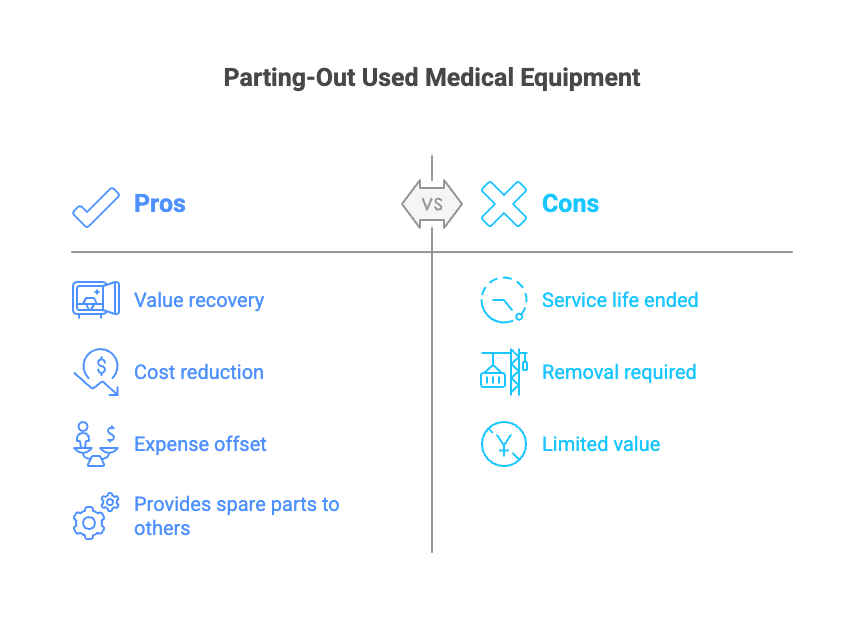
When full resale is no longer practical, parting out equipment can still be a viable way to recover value. In this approach, the entire system is removed from the facility, allowing the space to be fully cleared, and individual components are later evaluated and sold based on market demand.
Part-out strategies are most often used for older systems that have functioning parts but limited value as a complete unit. While this option does not generate the same return as selling an operational system, it can help offset removal costs and reduce the financial impact of decommissioning, while ensuring the equipment is professionally removed and managed off-site.
OPTION 5: Trade-In Your Used Medical Equipment
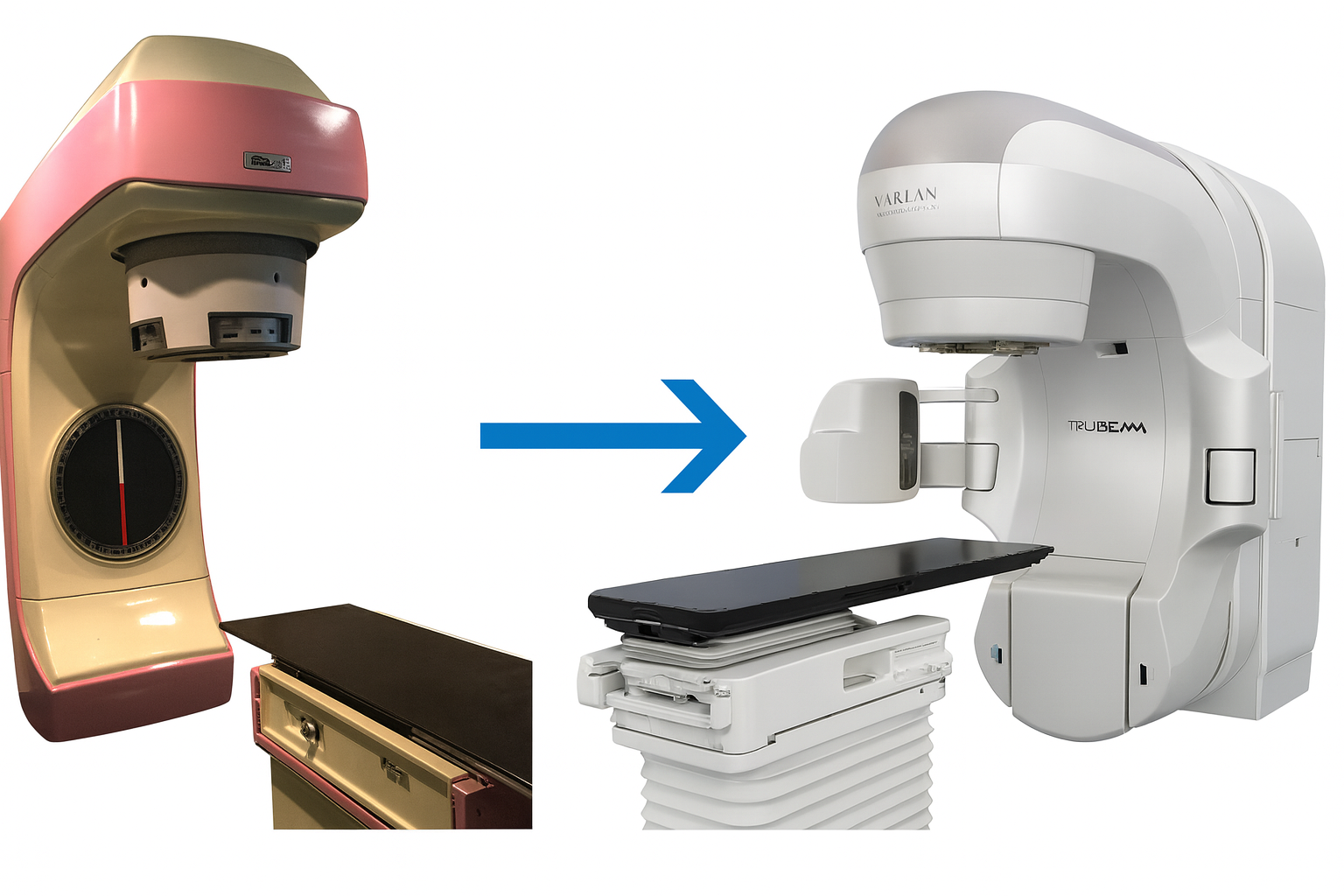
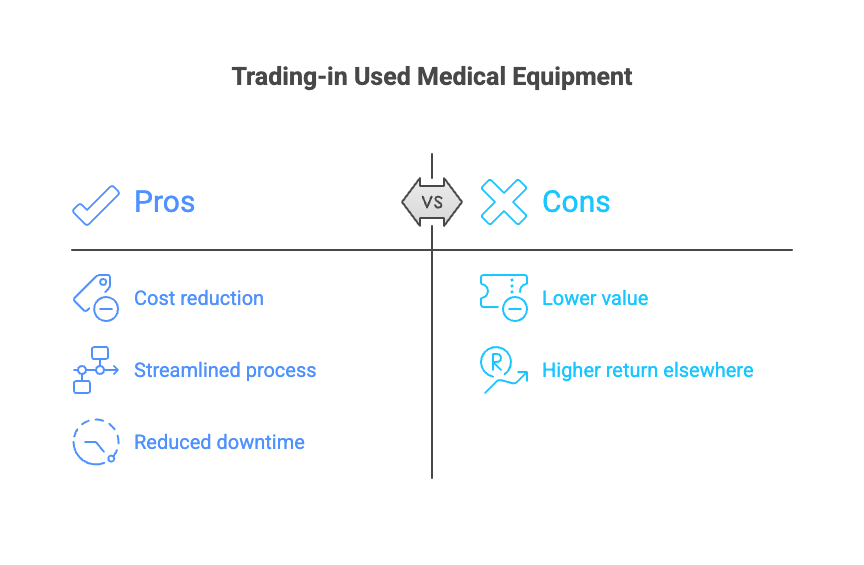
A trade-in can be a practical option when a facility is planning to replace an existing system with a newer model. In this scenario, the value of the older equipment is applied as a credit toward a replacement system, helping streamline the transition from one platform to the next.
Trade-ins are often used to simplify project planning by bundling removal, replacement, and pricing into a coordinated process. While trade-in values may be lower than those achievable through a direct sale or consignment, this approach can reduce administrative effort and shorten timelines. Facilities are not limited to a single manufacturer when considering trade-in paths and may also work with third-party vendors to evaluate a wider range of replacement options based on clinical, operational, and budgetary needs. Another benefit is that the old system is often removed at the same time as the new equipment is being delivered, often reducing the downtime.
OPTION 6: Auction Your Used Medical Equipment
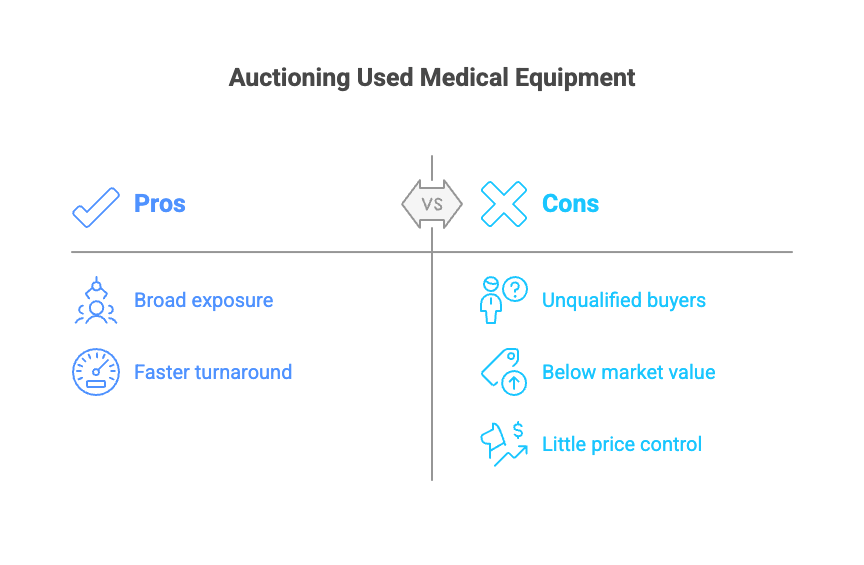
Auctioning equipment can be an option when a facility needs to move assets and maximize their value by exposing them to the largest possible number of potential buyers. Auctions provide broad exposure in a short period of time, which can help maximize the value a seller might receive.
One of the challenges of auctions is that without a reserve price, there is no guarantee the Seller will get the price they seek. Additionally, Buyers in an auction process may not be qualified to remove the equipment being sold, which can result in damage to the facility or, worse, injury and death. Auctions are better suited for smaller, more portable devices than for larger, complex equipment systems that require specialized know-how.
OPTION 7: Rent Your Used Medical Equipment
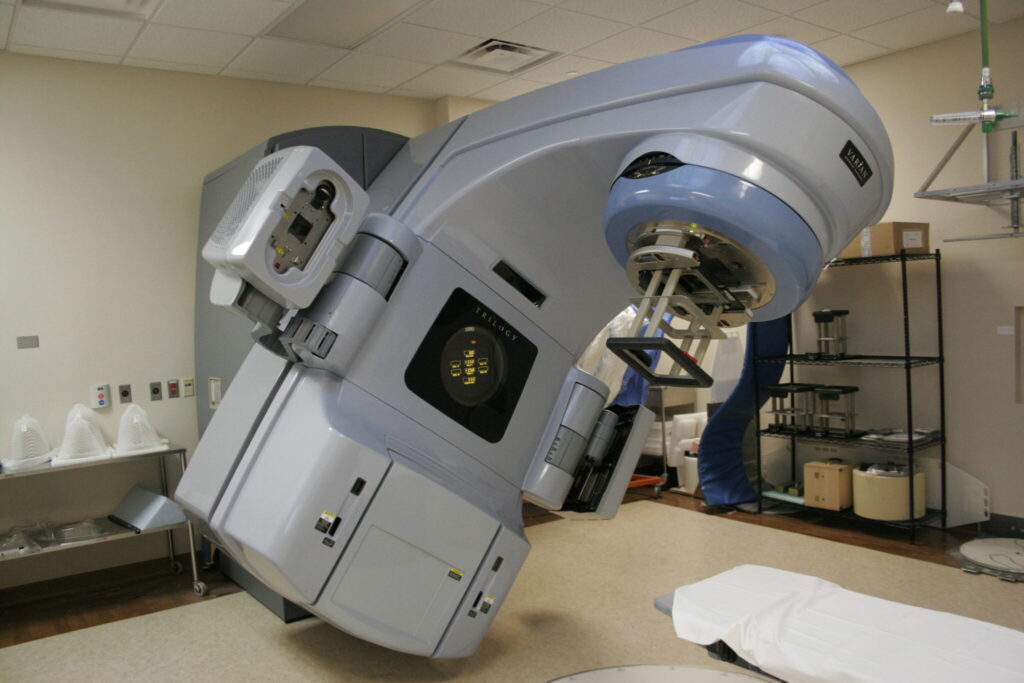
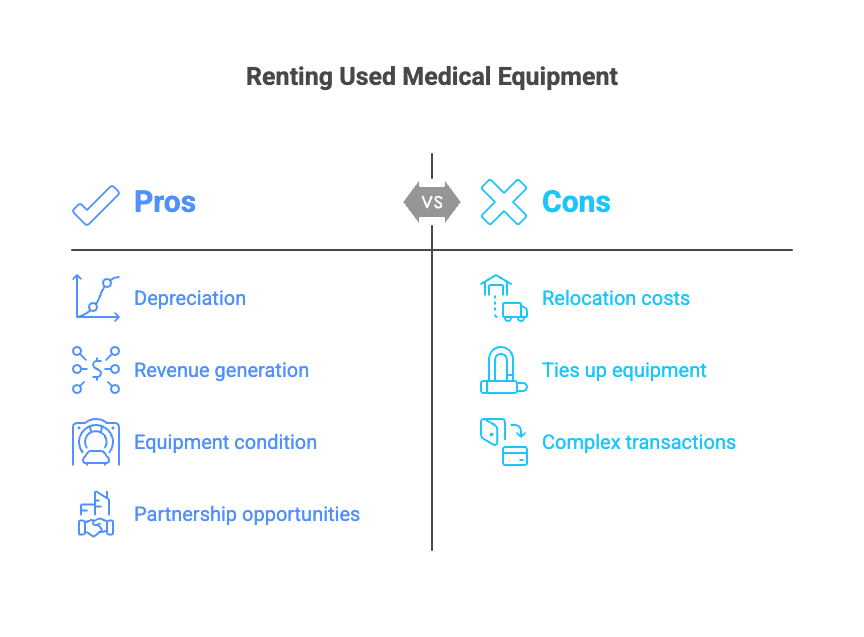
Renting used medical equipment can be a viable alternative when a facility owns a newer system that still holds high book value and carries sizeable depreciation. Often, a newer machine takes a 50% value cut simply because installation, warranty, and training costs are not recoverable.
By renting the equipment to another party, owners can retain ownership, continue benefiting from depreciation, and generate revenue rather than leaving the system unused. This approach may also help keep the equipment in better condition through continued use. The tradeoff is that rental arrangements can involve higher relocation and installation costs, may limit flexibility if a buyer later emerges, and typically require more coordination than other removal options.
Need Help Evaluating Your Medical Equipment Removal Options?
There is no single right way to dispose of your used medical equipment. The best option depends on your system’s condition, timeline, and operational goals. While selling may work in some cases, other paths such as consignment, part-out, trade-in, renting, or professional removal may be more practical.
If you are considering removing, replacing, renting, or decommissioning equipment, the ROS team can help evaluate your options and recommend the most appropriate path forward. To get started, please fill out our online form, and a member of our team will follow up to discuss your equipment and available options.
Frequently Asked Questions About Medical Equipment Removal Options
What is the best way to remove used medical imaging or radiation therapy equipment?
The best removal option depends on your equipment’s value, your timeline, and your facility’s goals. Selling the equipment provides immediate financial return if it still has value. If resale is not possible, options like consignment, trade-in, or parting out may help recover some value. For systems with no remaining value, professional removal and disposal may be the safest and most practical route.
Where does medical equipment go after it is sold?
When medical equipment is sold, it often finds a second life supporting independent clinics and hospitals, either in the United States or in other regions of the world. Reusing equipment helps extend its useful life and allows more patients to benefit from advanced treatment technologies.
Can I sell my used medical equipment even if it is older?
Yes, even older systems may have value if they still function or have market demand. When full resale is not viable, a qualified equipment partner may part out individual components that remain operational, helping recover value and offset removal costs without requiring additional effort from the facility.
What is consignment, and how does it work for medical equipment?
Consignment allows facilities to remove equipment quickly while giving a vendor time to find a buyer. The facility retains ownership until the equipment sells and receives a portion of the final sale price. Learn more about ROS’s consignment process on our Medical Equipment Consignment Services page.
What should I do if my equipment has no resale value?
If your equipment has little or no market value, professional removal and disposal is often the most practical and compliant solution. This ensures your facility follows environmental and safety regulations while clearing space for future upgrades or new installations.
Can medical equipment be rented instead of sold or disposed of?
Yes, in some cases renting medical equipment may be a viable option, particularly for newer systems that still benefit from depreciation. Renting allows facilities to generate revenue while retaining ownership of the asset. Learn more about ROS’s approach to equipment rentals on our Linear Accelerator Rental Program page.
How do I know which equipment removal option is right for my facility?
Choosing the right removal strategy depends on factors like the age and condition of your equipment, how quickly you need it removed, and whether you want to recover value. A qualified partner like ROS can evaluate your system, explain your options, such as resale, consignment, part-out, or disposal, and guide you toward the best path based on your goals and timeline.

Related Posts


Comments (0)