

Delivering FDA-cleared, low-dose 3D imaging technology to diagnostic imaging centers, rural hospitals, and regional hospitals…
Accuray’s Downturn Highlights a Missed Opportunity: Growing Linac Sales Through ISO Support and Pre-Owned Systems
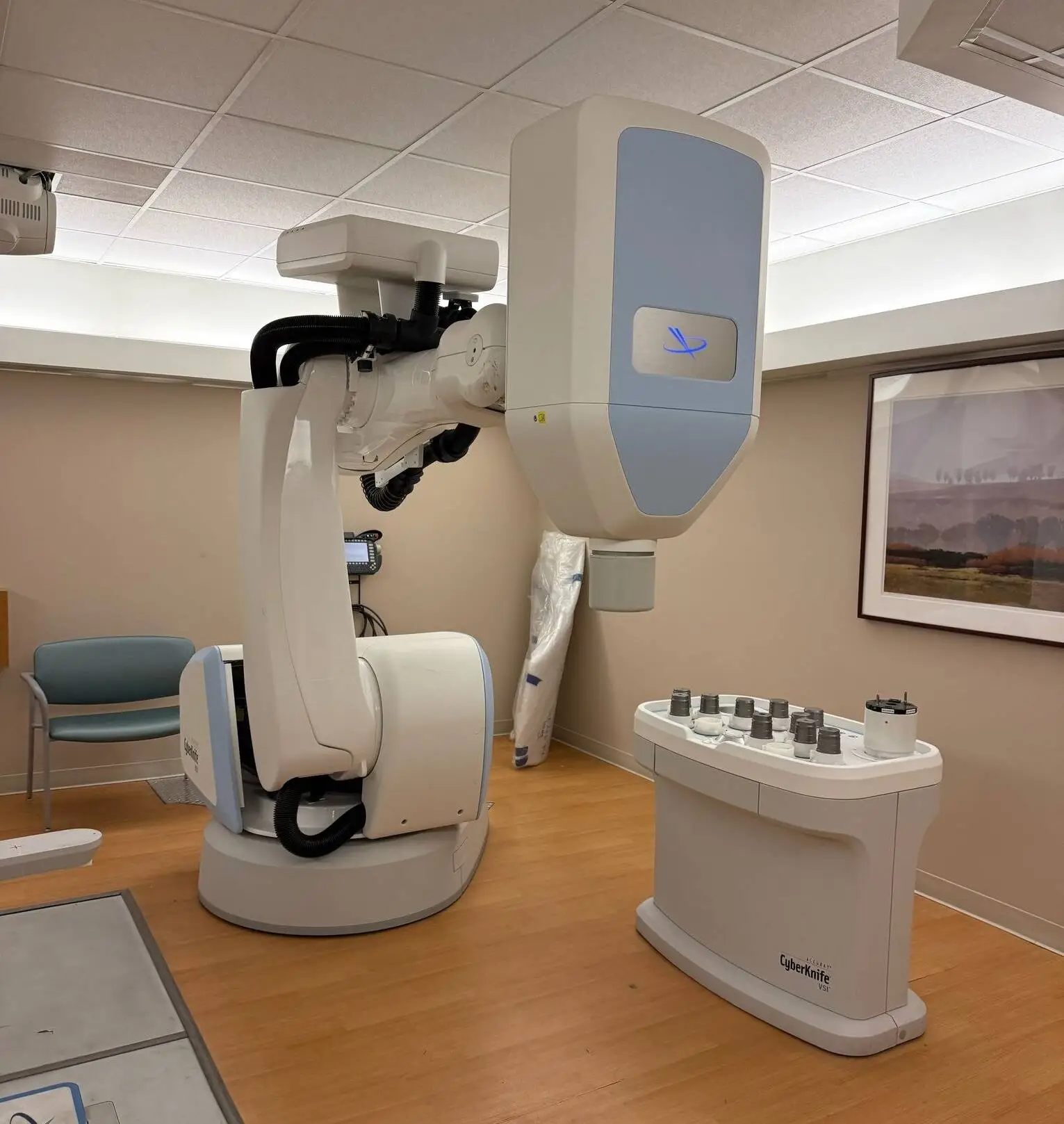
Accuray’s declining financial performance (NASDAQ: ARAY) underscores a broader truth in the radiation therapy industry: OEMs benefit when they embrace independent service organizations and the pre-owned linac market, something Accuray has not done.
As Accuray faces ongoing revenue challenges, its situation highlights the opportunity for manufacturers to grow their install base by enabling ISOs to service and resell their systems—creating a cycle that strengthens brand visibility and increases demand for new equipment.
One of the clearest ways this opportunity plays out is in how new radiation therapy clinics are created, financed, and grown over time.
The High Cost of Starting a Radiation Therapy Clinic
Opening a new radiation therapy clinic is a major investment. It requires a qualified staff of physicians, physicists, dosimetrists, therapists, and other staff. Specialized construction requires a shielded treatment vault, a suite of advanced hardware (Linac CT Simulator, etc.), and associated software systems (treatment planning systems, oncology information systems). For many new or resource-limited centers, especially in developing regions or smaller communities, the cost of purchasing brand-new equipment systems can be cost-prohibitive.
Yet these ambulatory clinics are essential since they expand access to cancer care for underserved populations. Without them, patients in thinly populated areas or regions with low reimbursement rates may not have access to cancer care. One of the most effective ways to lower initial start-up costs is to use pre-owned or refurbished linear accelerators.

How Pre-Owned Linacs Lower the Cost of Opening New Centers
A pre-owned system can often reduce startup costs by millions of dollars. For clinics operating within tight budgets, this difference often determines whether a center opens at all. When a new cancer center opens, it immediately begins building a patient base and gaining clinical experience with that specific manufacturer’s system.
And the equipment model they start with matters — greatly.
Early Adoption Shapes Clinical Preference and Long-Term Behavior
Once clinicians begin working with a particular manufacturer’s platform, they become familiar with its treatment planning workflows, user interface, imaging systems, and overall ecosystem. These early experiences often shape long-term preferences.
If a new clinic begins with a particular brand and model of linac, that ecosystem typically becomes the center’s foundation. Physicians, physicists, therapists, and administrators all grow accustomed to the way that system works. As volumes increase and the center grows, that preference usually continues. Clinics tend to upgrade with the manufacturer’s linac and software they know, understand, and trust. If a new clinic starts with Varian equipment, they tend to stick with Varian equipment. If a new clinic starts with Elekta, it tends to stay with Elekta, and so forth.
Growth Leads to New Equipment Purchases—Often from the Same Manufacturer
Once a center establishes itself, grows its patient load, and reaches financial stability, it eventually evaluates the purchase of a brand-new linear accelerator. By that point, the team has already developed loyalty to the system they have been operating since day one.
As a result, the new machine they acquire is often from the same manufacturer as the pre-owned system they started with. After they invest in that first new linac, they typically remain within that ecosystem for:
- Software upgrades
- Annual service contracts
- Imaging and planning solutions
- Future linac replacements
- Vendor-specific accessories
This is the long-term revenue stream that every original equipment manufacturer (OEM) depends on.
Every Pre-Owned Installation Creates a Socket for the Manufacturer

The initial purchase of a pre-owned linac creates what many in the industry refer to as a “socket”— a site installed with a manufacturer’s system that is highly likely to buy new equipment from that manufacturer later.
The more pre-owned systems a manufacturer has placed in the field, the more future sockets it creates. Over time, this multiplies into a larger installed base, stronger brand loyalty, and more predictable revenue. And this is where OEMs stand to benefit enormously from supporting the pre-owned market.
Why OEM Support for ISOs and In-House HTM Teams Matters
When OEMs allow independent service organizations (ISOs) and in-house biomedical engineering teams to properly maintain, repair, and support the manufacturer’s systems, several things happen:
- Centers lower their cost of ownership, making it easier to operate older systems and remain financially sustainable.
- More clinics can afford to enter the market, especially in underserved regions.
- OEMs gain more sockets, as additional facilities begin their journey with that manufacturer’s technology.
- Serviceability becomes part of the brand value, strengthening trust with clinicians and administrators.
- OEMs gain additional hardware and software sales downstream, as centers grow, upgrade, and modernize.

Providing access to equipment information, service keys, and technical documentation does not necessarily reduce OEM revenue—it can actually increase it over time by expanding the manufacturer’s ecosystem.
The Varian Example: A Successful Socket Strategy

Siemen’s Healthineers’ Varian division, in the 2000’s when it was independent and under former leadership, offered occasional support to ISO’s and other organizations involved in the sale and installation of its used linear accelerator systems. By enabling selected ISOs to acquire and support pre-owned Varian linacs, they rapidly expanded their global installed base. Each refurbished machine placed in the field became a future opportunity:
- For a new linac sale
- For software and imaging upgrades
- For service contracts
- For long-term customer retention
It is no coincidence that Varian has maintained the leading market share in the Americas. Their early support of the pre-owned ecosystem created decades of brand loyalty and a vast, stable network of Varian sockets.
A Path Forward for Manufacturers
The lesson for today’s linac manufacturers, including Accuray, is clear: supporting the secondary market does not dilute new system sales; it drives them over time.

By making refurbished systems easier to maintain, empowering ISOs and HTM teams, and embracing pre-owned installations, OEMs can grow their installed base, create more sockets, and secure long-term revenue from a global and diverse customer base.
For emerging linear accelerator manufacturers and established OEMs alike, the opportunity is significant. The clinics that start with your pre-owned systems today are the clinics that will invest in your next-generation technologies tomorrow.

Related Posts


Comments (0)