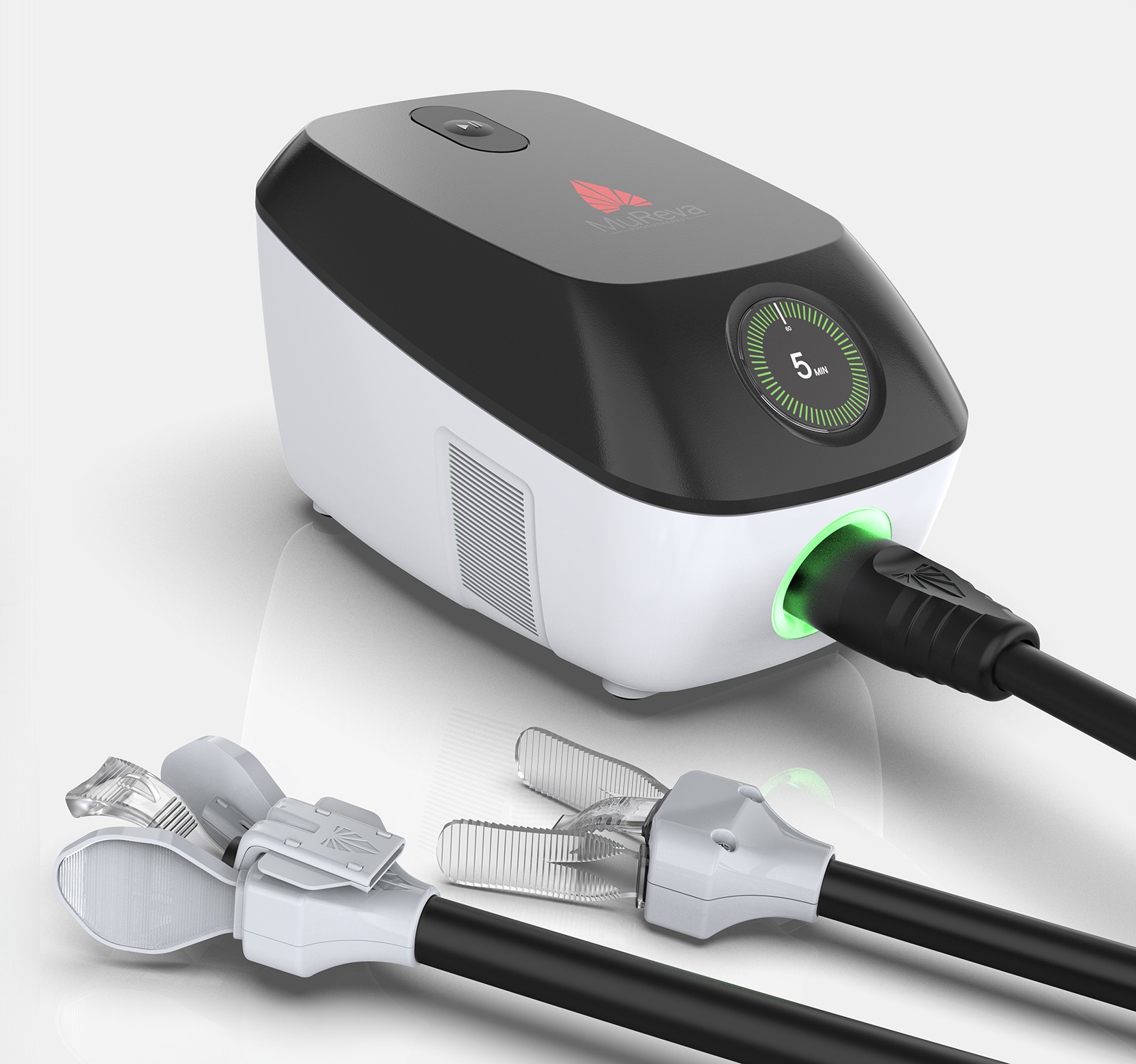
ASTRO 2026 Exhibition Hall Preview: Mike Cogswell and Mureva Phototherapy Take Aim at Oral Mucositis
Two years ago, Radiology Oncology Systems sat down with longtime radiation oncology executive Mike Cogswell…



Radiology Oncology Systems is dedicated not only to providing reliable, cost-effective medical equipment to hospitals and radiation oncology centers but also to advancing sustainability in healthcare; our company helps accomplish both of these missions by giving diagnostic imaging and radiation therapy systems a second life, so they can continue to serve more patients while reducing environmental impact.
In the modern age, sustainability has become an increasingly urgent priority. It affects virtually every industry in the United States and beyond, and healthcare is no exception. Hospitals, imaging centers, and radiation oncology clinics rely heavily on sophisticated technology for diagnosis and treatment; however, this reliance on technologically advanced medical equipment has come with a substantial environmental footprint. Unfortunately, the production of such equipment, especially medical imaging and radiation therapy systems, consumes large quantities of raw materials, energy, and other industrial resources.
Thankfully, there is a more sustainable path forward. By purchasing pre-owned, refurbished medical equipment, healthcare facilities and organizations can help extend the life of these vital systems, reduce waste, and significantly help lower carbon emissions. Best of all, they can do all of this while still maintaining high standards of care.

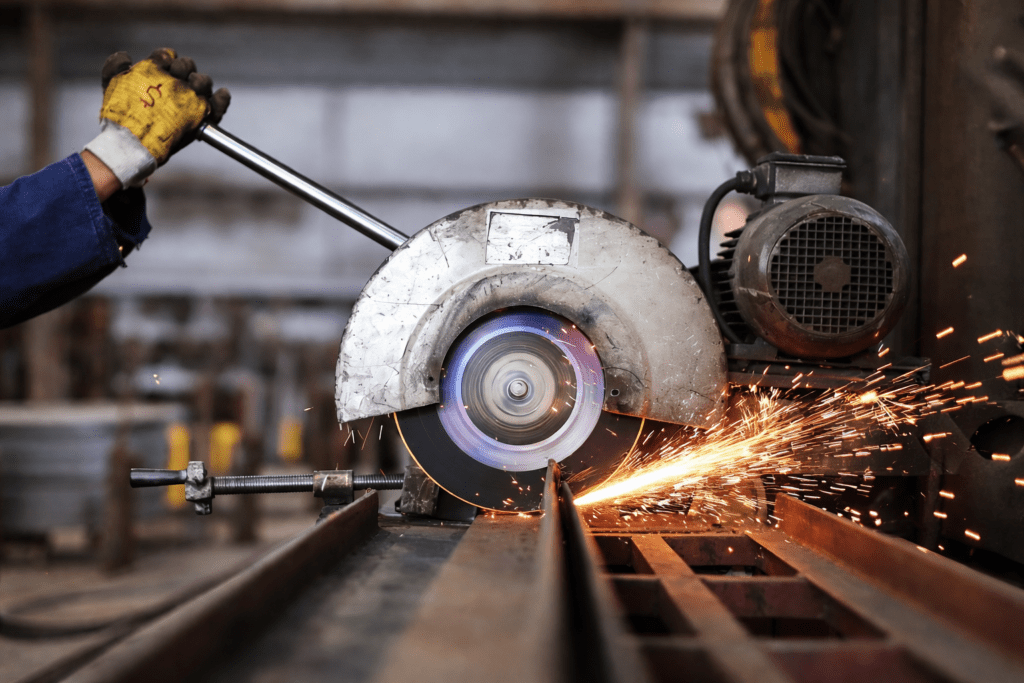
Producing new medical systems like linear accelerators and CT scanners requires an enormous industrial effort. Each system requires mass quantities of steel, copper, aluminum, and rare earth metals, which are often extracted and processed through energy-intensive mining and manufacturing. These materials and the medical systems they create are also typically transported across continents, further adding to their overall carbon footprint. To make matters worse, when healthcare providers routinely replace older or faulty equipment, these emissions compound. The result is a cycle of overproduction, waste, and resource depletion.
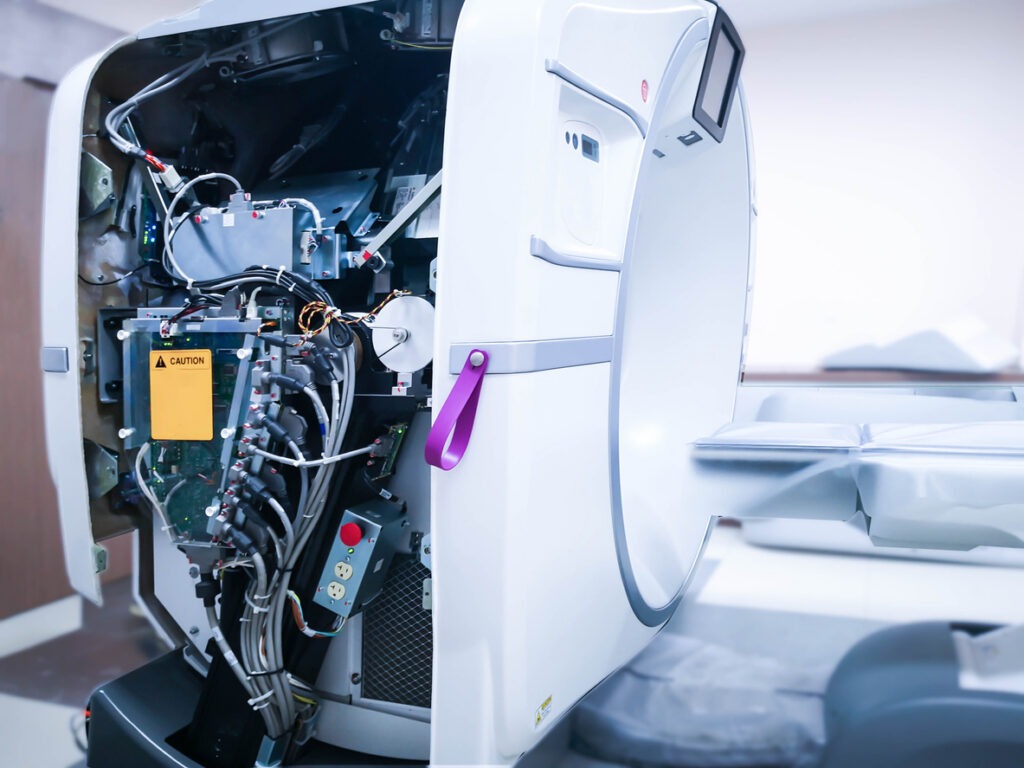
By contrast, the refurbishment process reuses the majority of a machine’s components, preventing the need for new raw materials while also significantly lowering greenhouse gas emissions. This much more sustainable approach aligns with the global push not only toward decarbonization but also to responsible resource management.
According to the UN Environment Programme, electronic waste, also known as e-waste, is one of the world’s fastest-growing types of waste. As of 2025, the world generates approximately 62 million tonnes of e-waste each year, with less than a quarter of it being formally recycled. As a result, experts argue that electronic products must be designed for reuse, refurbishment, and recycling – rather than single-life disposal.
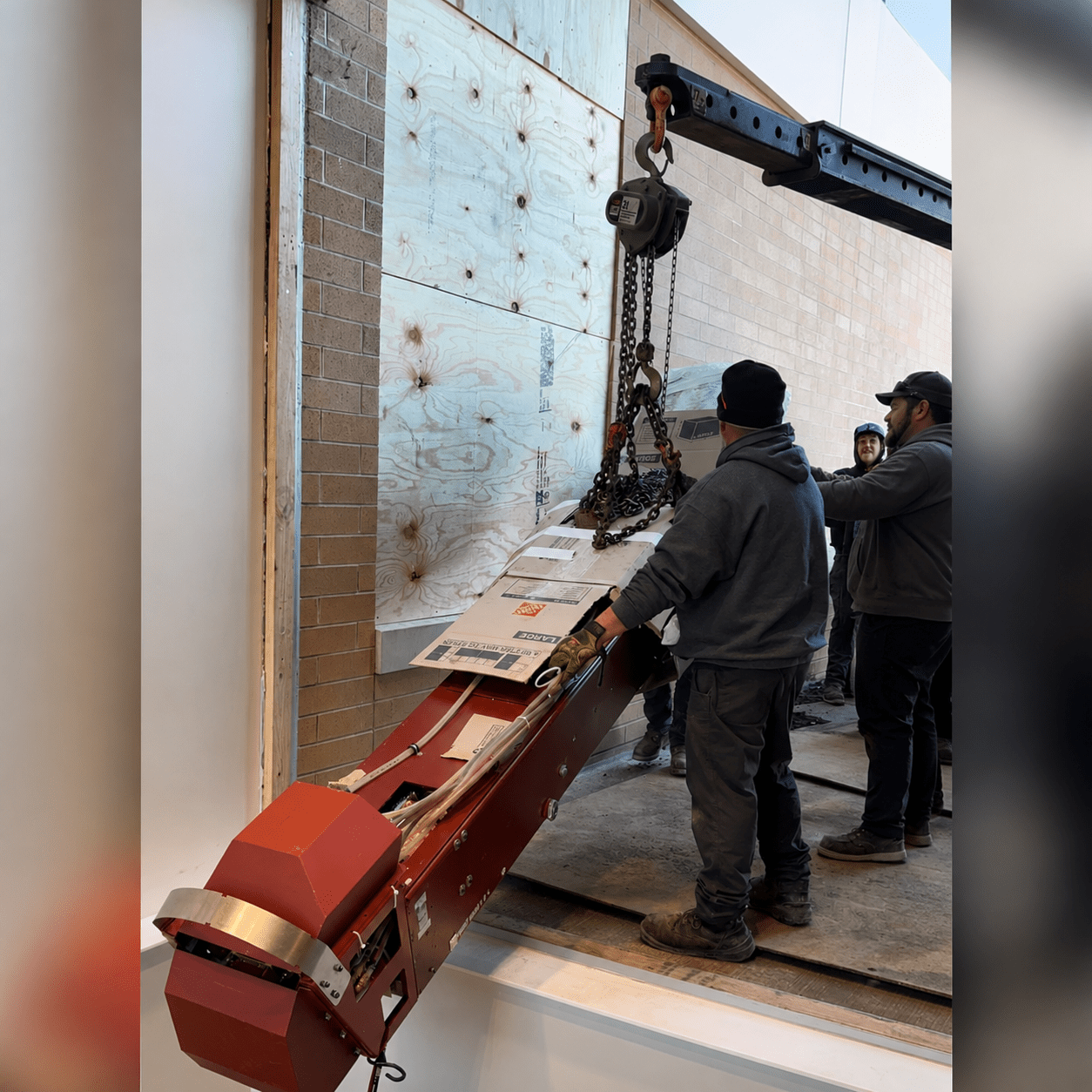
Unfortunately, medical imaging and therapy devices contribute to the ongoing e-waste issue. These machines are particularly impactful because of their size, complexity, and material diversity. Simply disposing of them can release harmful substances and result in the loss of valuable metals and components. However, professional refurbishment can help prevent this outcome by keeping high-value technology in circulation longer. Each refurbished linear accelerator, CT simulator, CT scanner, PET/CT scanner, and MRI system represents thousands of pounds of equipment diverted from landfills.
Ultimately, by refurbishing and reusing existing systems in a circular economy, healthcare organizations and facilities help avoid the environmental toll of manufacturing new medical equipment for replacements and help make the industry more sustainable.
Professional refurbishment is not just repairing a used or worn-down machine; it is a comprehensive process that restores medical equipment to its original performance standards. It can also involve upgrading machinery to current technology standards.
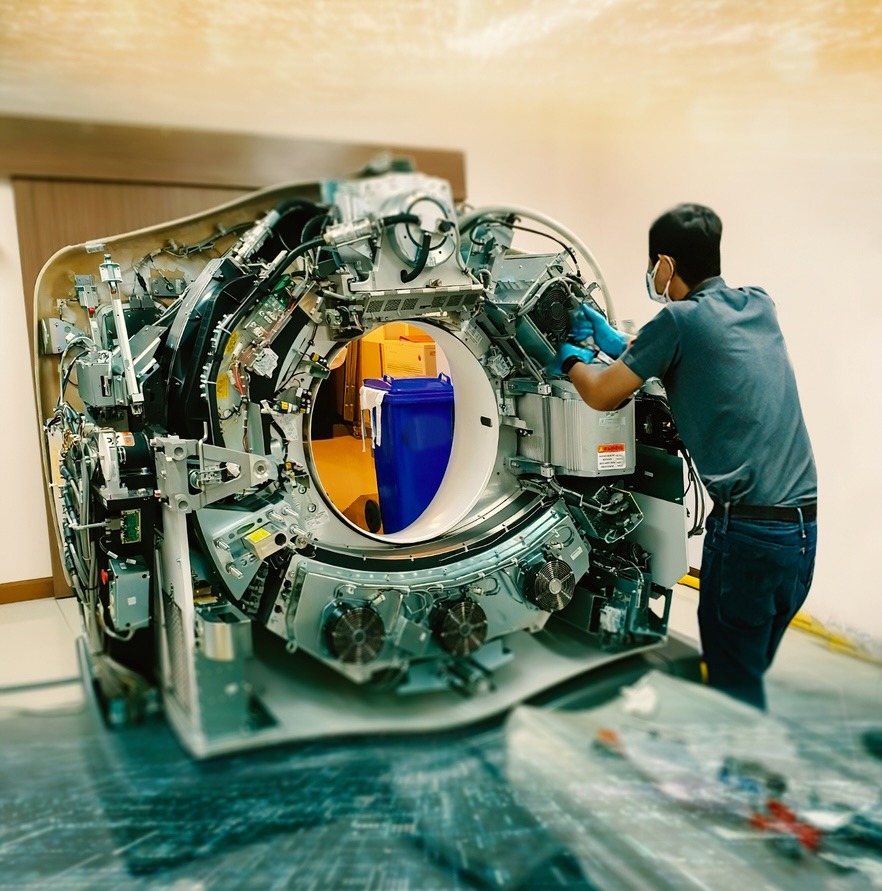
During refurbishment, technicians perform detailed inspections, replace worn or obsolete parts, update software, recalibrate systems, and test equipment performance in accordance with OEM specifications. The result is a system that functions like new, which is often backed by quality assurance from the refurbisher.
With a meticulous refurbishment process, the functional useful life of each device can be extended so that hospitals and other healthcare facilities can avoid premature replacements while still maintaining cutting-edge capabilities in both diagnostic imaging and radiation therapy. In doing so, they not only conserve financial resources but also make a tangible contribution to greener practices and overall environmental sustainability.
Hospitals and clinics around the world are already seeing the benefits of embracing pre-owned medical equipment.
Dr. Mariza Chan and her centre, Los Altos Radiotherapy Center in western Guatemala, have recently installed the region’s first linear accelerator (linac) to decentralize advanced cancer-treatment services outside the capital city. The equipment installed in this case is a refurbished linac, which has enabled access to high-precision radiotherapy modalities while also taking advantage of existing equipment.
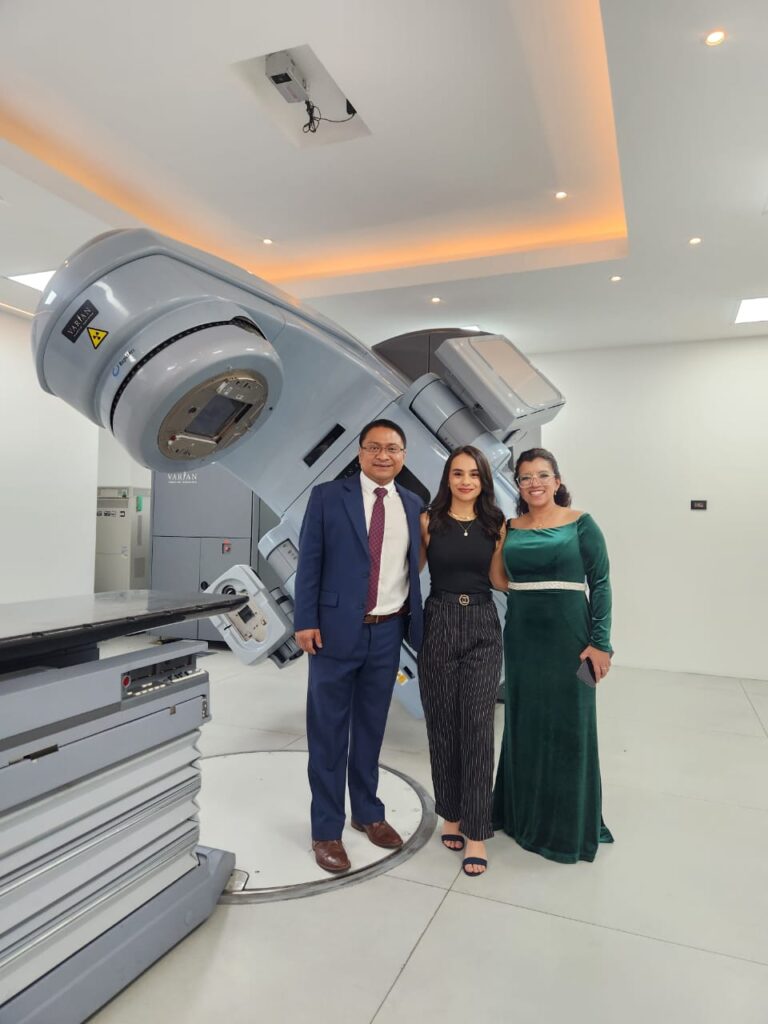
This instance illustrates two major benefits of embracing refurbished medical equipment: first, improved access; patients in the area no longer have to travel long distances, face language or cultural barriers, or incur lodging and transport costs. Second, a refurbished linac reduces the capital burden, helping to make cutting-edge care more sustainable and scalable. Installing a previously used but fully refurbished and service-ready linac stabilizes cost structures, extends equipment lifecycles, and reduces e-waste.
Best of all, this is just one example of how refurbishment helps bring advanced care into underserved regions while better managing budget, logistics, and environmental impact.
Hospitals and cancer centers around the world have successfully integrated refurbished linear accelerators, CT simulators, and other pre-owned medical equipment supplied by Radiology Oncology Systems. From Williamsport, Pennsylvania, to Guadalajara, Mexico, and Caracas, Venezuela, healthcare facilities have helped eliminate e-waste and reinforced a circular economy in the industry by purchasing professionally refurbished medical equipment. These additions enable them to expand their radiation therapy and diagnostic imaging services without the need for new equipment, thereby achieving both cost and carbon savings. Radiology Oncology Systems: Championing Sustainable Healthcare Technology.
For more than two decades, Radiology Oncology Systems has been a leader in providing reliable refurbished medical equipment for radiation oncology and diagnostic imaging. Our commitment to sustainability extends beyond business; it is a core part of our mission to help healthcare providers deliver exceptional care while also minimizing environmental impact.
From refurbished linear accelerators used in radiation therapy to refurbished MRI systems for advanced imaging, our company offers cost-effective solutions that meet some of the highest clinical standards. By helping hospitals and cancer centers around the world extend the lifecycle of their equipment, our team plays a vital role in reducing carbon emissions, preventing e-waste, and promoting a greener, more sustainable future for the healthcare industry.
The path to sustainable healthcare is built on smarter resource use, responsible procurement, and long-term thinking, which is why choosing pre-owned medical equipment and refurbished medical equipment from Radiology Oncology Systems is essential. It allows healthcare providers to join a global movement that protects both people and the planet. Because advanced medical technology and environmental stewardship are not opposing goals, they are two ways in which healthcare organizations and facilities can help create a healthier world.

For more information on our range of available pre-owned medical equipment, contact us today.

Comments (0)