

ROS recently installed a Varian linear accelerator treatment couch with stand-alone operability at a teaching…
Inside a Complex Elekta Versa HD Linear Accelerator De-installation and Removal
De-installing and removing a machine as heavy and sophisticated as a linear accelerator is not work for the faint of heart. It requires planning, skill, patience, experience, the ability to problem-solve on the spot, and a high dose of raw muscle and energy for days on end.
In many hospitals and cancer centers, the hardest part is access: tight paths, heavy components, and almost no margin for error.
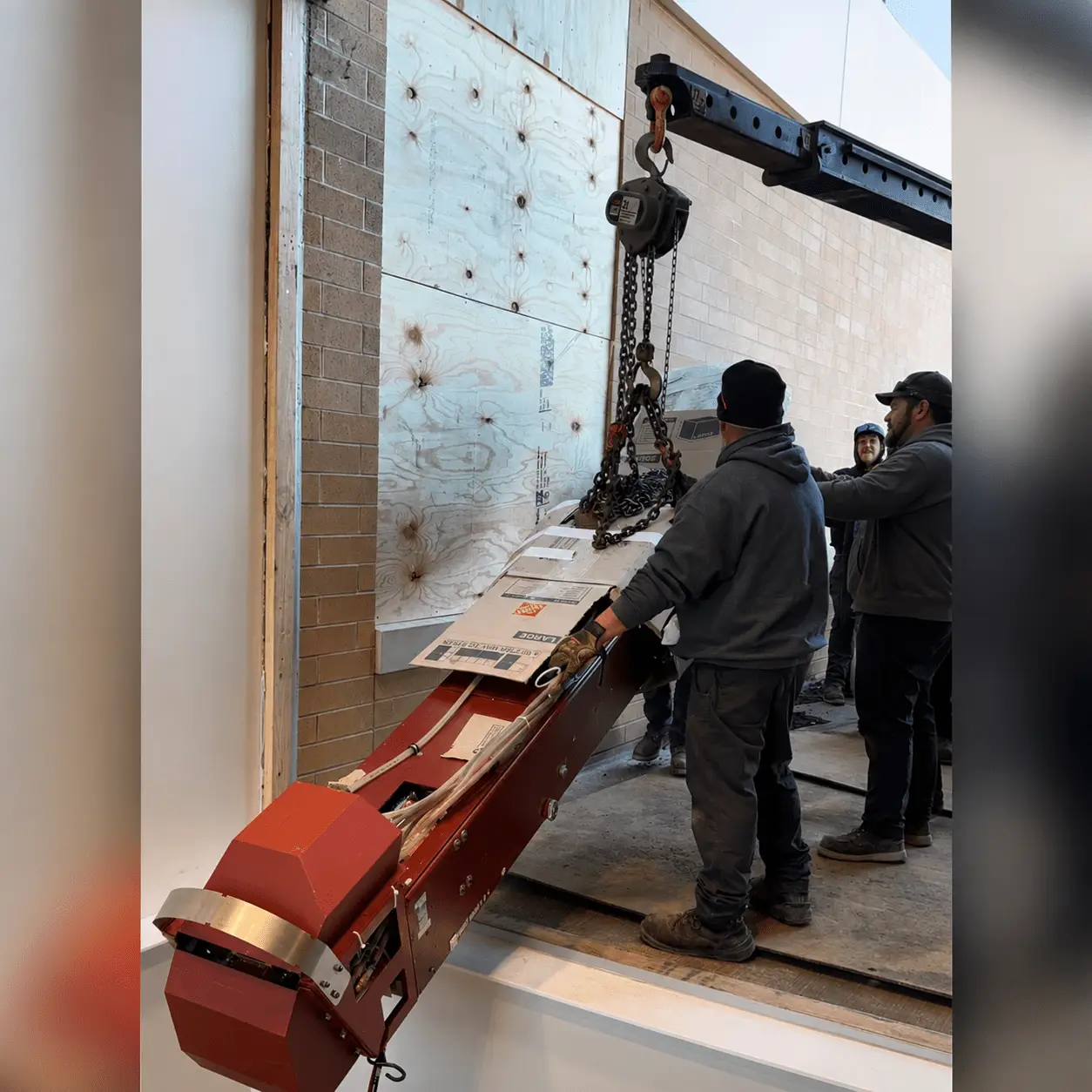
Radiology Oncology Systems (ROS) recently supported a complex removal of an Elekta Versa HD linac from a basement vault at a cancer center in the Northeast U.S. Major components had to be moved from the vault to ground level using carefully planned extraction methods and specialized handling. The work took place alongside a site with a 24/7 emergency department, which added additional constraints for safety, timing, and coordination.
The bigger picture is important. This particular linac was an Elekta Versa HD. It was removed so it could eventually be reinstalled in a new home, where it can be returned to service and continue treating patients. Projects like this keep advanced equipment in use, rather than sitting idle or ending up in a scrap yard.
Why This Elekta Versa HD Removal Was Complex

This linear accelerator removal involved components that were extremely fragile, heavy and difficult to handle. Two of the heaviest pieces each weighed over 4,000 pounds:
- Linear accelerator beam arm: approximately 4,165 lbs
- Drum: approximately 4,200 lbs
These components are not only heavy. They are long, awkwardly shaped, and sensitive to damage from movement during both the extraction and transport preparation. The challenge was safely moving oversized components from a basement vault to ground level while accounting for real facility constraints.
Key drivers of complexity included:
- Basement vault access and transition points from the vault to corridors and staging areas
- Freight elevator limitations that complicated the removal path for oversized components
- A temporary extraction path coordinated with site construction and facilities teams
- Specialized crews including master electricians, plumbers, and crane operators
- Specialized lift planning to bring heavy components safely to ground level
- Active clinical operations nearby, including a 24/7 emergency department, where timing, safety and coordination were critical
How to Handle a Challenging Linac De-installation and Removal

Complex linac removals succeed when the plan is clear and there is strong collaboration across site facilities, construction, specialized labor, lift support, removal, and engineering teams. This removal was executed in three phases.
Beam Arm Extraction to Ground Level

The linear accelerator beam arm was removed first. Due to its weight and size, the team used a controlled extraction approach to bring the component safely to ground level. This phase required careful staging, precise movement, and constant communication between the teams involved. A customized pallet was used to ensure safe transport.
Drum Removal with a Smarter Path
The drum was removed next. The original plan involved a similar extraction method, but through collaboration with the rigging team, it was determined that the freight elevator could be used for the drum instead.
That adjustment reduced risk and improved efficiency while maintaining the same safety standards. For complex removals, experience-driven decisions like this are often what keep a project on track.
Final Handling and Transport Preparation Outside

Once the drum reached ground level, the work was not finished. Outside the building, the team needed to stabilize and prepare the drum for transport. This included careful bracing and shimming to control movement of a component containing sensitive electronic components.
Even small drops or abrupt shifts can introduce risk, so controlled handling was essential. In many complex removals, the most time-consuming step is not the lift. It is the careful, deliberate movement and stabilization required before loading.
Lessons Learned from Complex Linac Removals
This Elekta Versa HD removal reinforced lessons that apply to many basement vault linac removals and other limited-access projects.
Collaboration Drives Results
Complex linac removals depend on close coordination across site facilities, construction, specialized labor, lift support, engineering, and removal teams. When these groups align early and communicate clearly, the work becomes safer and more predictable.
Planning Reduces Risk
Moving 4,000+ pound components safely requires more than physical capability. It requires:
- a defined removal path and staging plan
- lift planning that matches facility constraints
- contingency planning when conditions change
- protection of sensitive components during movement and loading
Safety Has No Margin for Error
In an active hospital environment, there is no room for shortcuts. Safety depends on disciplined execution, careful movement, clear roles, and constant communication at every transition point.
Why Professional Linac Removal Support Matters
A complex linac removal involves far more than disassembly. It requires professionals who understand:
- How facility constraints affect removal paths
- How to coordinate construction, operations, and specialized labor
- How to protect sensitive components during handling and transport preparation
- How to execute safely in active clinical environments
Experienced teams reduce risk for people, equipment, and facility operations.
Conclusion: Relocation and Continued Patient Care

This project demonstrates the requirements for safely and efficiently removing an Elekta Versa HD linac from a basement vault. Oversized components, limited access, and active clinical operations nearby require planning, coordination, and experienced execution.
Most importantly, the result is not only a successful removal. This system is being relocated to a new home, where it can be returned to service and used to treat patients. That is the broader purpose behind careful removals and disciplined logistics: extending the useful life of advanced radiation therapy equipment and supporting access to treatment.
If your facility is planning a linac removal, linac installation, or a project involving limited access, basement vault extraction, or heavy components, Radiology Oncology Systems (ROS) can help assess constraints, plan the approach, and execute safely with experienced professionals. Contact us to discuss your timeline and site requirements.
Frequently Asked Questions (FAQs): Linear Accelerator Removals
What makes a linear accelerator removal complex?
Complexity can come from rigging access, component weight and handling, active clinical operations, or project constraints. Some removals involve basement vaults, corridor turns, elevator limits, or crane lifts. Others are challenging due to schedule pressure or requirements to protect sensitive components for relocation and continued clinical use.
When does a linac removal require specialty rigging or a crane?
Every linac removal requires lifting, but not every project requires specialty rigging or a crane. A crane or specialty lift equipment is typically needed when components cannot move safely through the building, cannot use a freight elevator, or must be extracted through an alternate path such as a window or exterior opening. The method depends on the building layout, component dimensions and weight, and the safest extraction route.
Can a linac be removed from a basement vault?
Yes. Basement vault removals are common, but they require a defined removal path, staging space, and careful transitions from the vault to corridors to exterior access. Some projects also require coordination with site facilities or construction teams to support access and protect the building during extraction.
Can Radiology Oncology Systems (ROS) help with linear accelerator removals?
Yes. ROS supports linac removals by assessing site constraints, planning the safest approach, coordinating with all teams involved, and executing the removal with experienced professionals. ROS can also support next steps following removal, including transport preparation and relocation planning to ensure continued clinical use.

Related Posts


Comments (0)